2016.03.14 16:24
托福阅读背景知识:你可能不知道的奥斯卡十个事实。本文中新东方在线托福网为大家带来托福阅读背景知识:牛角面包的历史,希望对大家托福备考有所帮助。更多精彩尽请关注新东方在线托福网!
查看全部 新托福阅读背景知识大全
托福阅读背景知识:牛角面包的历史
牛角面包这种法国美食是很多人的心头爱。它的法语名字croissant是“新月”的意思。新月形是牛角面包的经典造型,这其中的缘故,就要牵扯到奥地利与土耳其之间的一场战争……
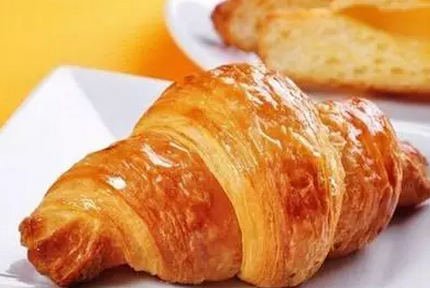
The croissant is a widely known and enjoyed kind of pastry made from leavened laminated dough and baked plain or with some sort of filling or topping, most commonly chocolate.
The word itself is translated as “crescent” into English, which is the shape most typically associated with this flaky pastry, although it can be found in other forms as well.
There are countless stories and legends about where this pastry originated and how it was made. In 1683, Vienna (the capital of Austria) was under siege by over a hundred thousand Ottoman Turks. After several months of trying to starve the city into submission, the Turks attempted to tunnel underneath the walls of the city. Fortunately for the entire city, some bakers hard at work in the middle of the night heard the sounds of the Turks digging and alerted the city’s defenders. This advance warning gave the defenders enough time to do something about the tunnel before it was completed. Soon, King John III of Poland arrived at the head of an army that defeated the Turks and forced them to retreat.
To celebrate the end of the siege and the part they had played in lifting it, several bakers in Vienna made a pastry in the shape of the crescents they had seen on the battle standards of the enemy. They called this new pastry the “Kipfel” which is the German word for “crescent” and continued baking if for many years to commemorate the Austrian victory over the Turks in 1683. It was not until 1770 that the pastry came to be known as the croissant.
In that year, Marie Antoinette, a 15-year-old Austrian Princess, married King Louis XVI of France. To honor their new queen, the bakers in Paris made some “kipfels” of their own. The only difference was that they called it by the French word for crescent, “croissant”. The pastry proved as popular in Paris as it had in Vienna and Parisian bakers have been making it ever since as have bakers around the world who learned it from the Parisians.
The flavor of a croissant should be intensely butterywith a natural dairy sweetness. It should not taste like added sugar or be cloying. It should be well-seasoned, but not so salty that you can’t imagine eating it with jam or preserves. The ideal crust should be distinct from the softer interior. It should be extremely flaky and shatter when torn or bitten into. It should be extremely crisp, but not crunchy or tough. Each layer of flaky pastry should virtually melt on the tongue, but not feel greasy in your hands. It should be an even, golden brown color all around.
The interior should be feather-light with many layers. It should be tender and moist but not gummy ordoughy. The layers of dough should show plenty of stretch and separate gently from each other when you pull at them with your fingers.
Today, the croissant is both a symbol of French culture and tradition.

关注新东方在线托福
托福机经||Official题目练习